Lime is often touted as a must-have treatment for maintaining a lush, healthy lawn. But if you’ve ever applied lime and wondered whether it made any difference, you’re not alone. Unlike fertilizers or weed killers, lime doesn’t produce visible results, leading many homeowners to question if it’s just a waste of time and money. There are also plenty of myths surrounding lime—one of the most common being that it kills moss (spoiler: it doesn’t).
So, is lime truly necessary? The answer depends on your soil’s pH levels and overall lawn care strategy.
What Does Lime Actually Do?
Lime primarily affects soil pH, working behind the scenes to create the best possible environment for your lawn to thrive. (Think of shampoo and how it affects the ph level of your hair). It doesn’t directly make your grass greener, but it does help other treatments, like fertilizers, work more effectively. Here’s why lime matters:
● Balances Soil pH
Grass grows best in a neutral to slightly acidic pH (around 6.5 to 7.0). Many soils, especially in regions like Abbotsford, Langley, and the Fraser Valley, tend to be more acidic. Lime helps to neutralize acidity, making nutrients more available to your lawn.
● Improves Nutrient Absorption
When soil is compacted, fertilizer and other lawn treatments may not be as effective. By aerating, you ensure that nutrients reach the roots directly, improving the overall health and resilience of your grass.
● Enhances Root Health
A well-balanced soil pH promotes stronger, deeper root systems, leading to a healthier, more resilient lawn.
● Indirectly Reduces Weeds and Moss
While lime doesn’t kill moss, maintaining healthy, balanced soil can help prevent moss and weeds from taking over. A strong lawn is naturally more resistant to these unwanted invaders.
How to Know If Your Lawn Needs Lime
The best way to determine if your lawn needs lime is through a soil test. Without one, applying lime is just guesswork and may not provide any real benefits. A soil analysis will measure your pH level, giving you clear insight into whether lime is necessary. Ideally, your soil should be close to 7.0 for optimal lawn health.
- If your pH is below 6.6 (too acidic), your lawn will likely benefit from lime.
- If your pH is above 7.3 (too alkaline), lime is unnecessary, and you may need to look at factors like low sodium levels instead.
When and How to Apply Lime
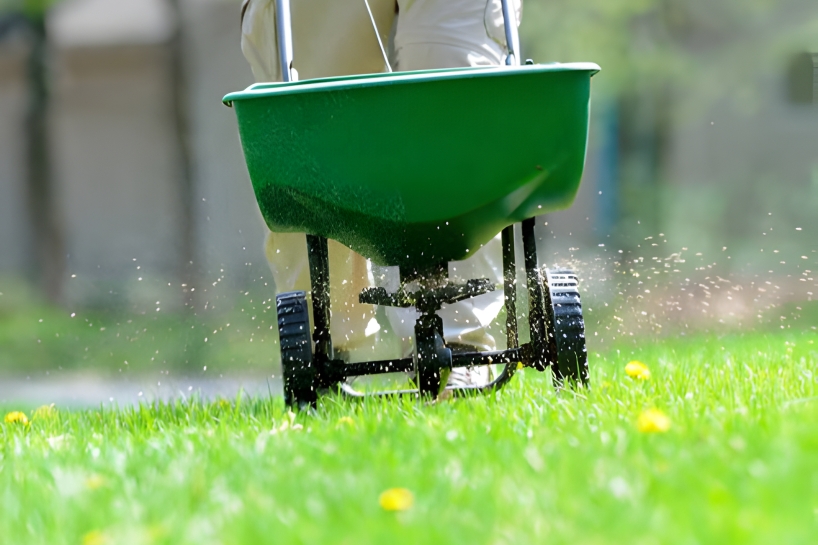
Many lawn care guides recommend applying 4 pounds of lime per 1,000 square feet, but in areas like the Fraser Valley, most soils cannot absorb that much at once. A better approach is to apply half that amount multiple times per year.
Final Thoughts
Lime is an important part of a long-term lawn care plan, but it’s not a quick fix or a cure-all. You’ll never look at your lawn a few weeks after liming and think, “Wow, what an improvement!” However, when used correctly as part of a comprehensive lawn treatment strategy, lime can make a significant difference in soil health, nutrient absorption, and overall lawn resilience.
The key takeaway? Test your soil first! If your pH is already balanced, applying lime may be unncescessary. But if your soil is too acidic, regular lime applications could be the missing piece to achieving that lush, green lawn you’ve been striving for.
If you have any questions, please don’t hesitate to give us a call. We’d love to talk to you about keeping your lawn looking its best!